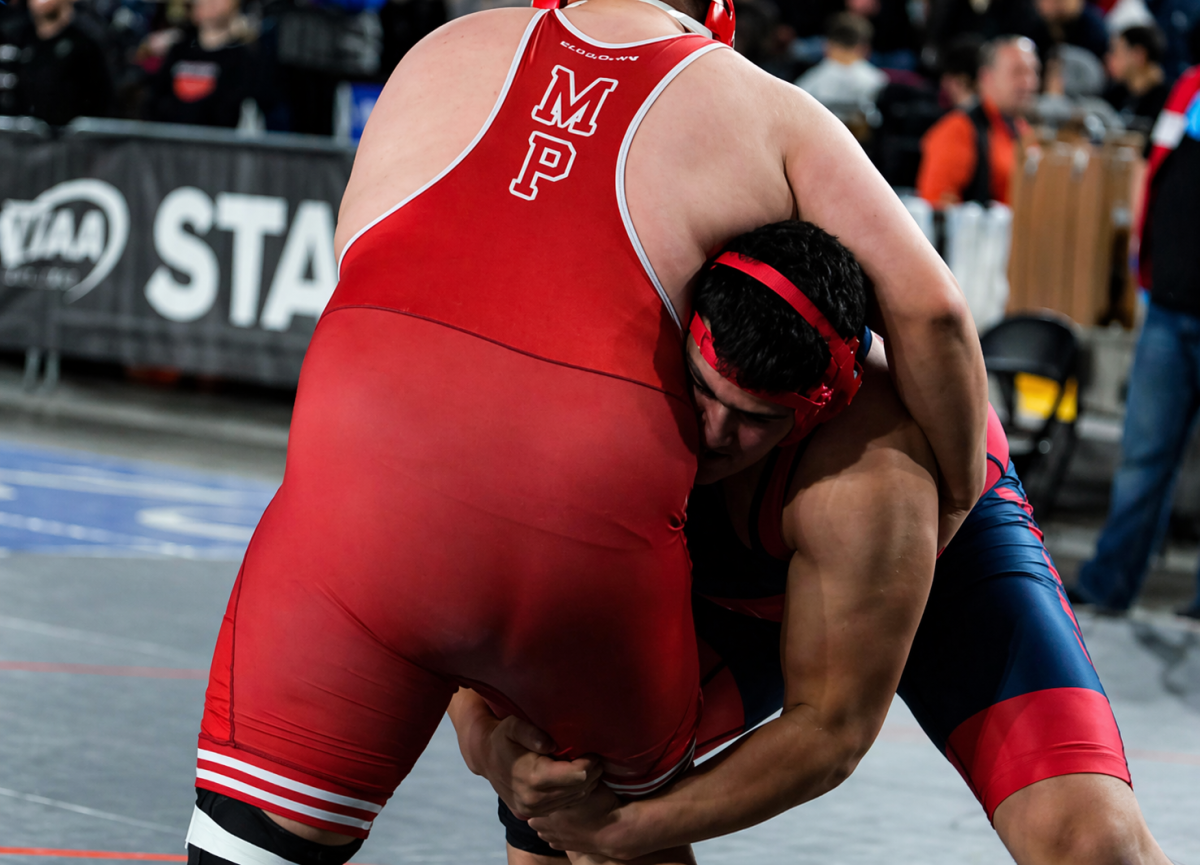
Participating in sports year-round without an off-season is fun, but few realize it’s like a full-time job. The difficulties are hardly addressed, and lot of feelings can take place. It takes a lot of passion and drive to do what some of these athletes do and it is a real skill to balance school, sports, social life and family. It is so important to find ways to manage burnout, commitment, and passion. Athletes who devote so much time should be credited and supported more than they are.
Sophomore Mo Richardson is a student athlete who plays volleyball year-round and practices continuously. He is fully committed to his sport and has dreams of playing at the collegiate level. He knows what he wants and is willing to put in the work to reach his goals.
“I think the hardest part about being a full-time athlete is balancing everything you’ve got going on in your life, whether its school, your social life, and your sports. Once you learn how to do it, it makes everything a lot easier” Mo Richardson ’28 said.
Naomi Anderson is a sophomore on both the varsity soccer and varsity basketball team, while still playing club sports on the side. It is clear she has a jam-packed schedule but has definitely done an excellent job managing it all with her positive go-getter attitude.
“When I experience burn out, I try to push through it for my team, and I keep going. I have learned the hardest parts of a season can be opportunities and chances for me to grow as a player. Being part of a team sport, I’ve also learned that supporting your teammates throughout the season is so important. Having teammates that can push me to do better and support me every day will help me get past those hard games and get out of a slump” Naomi Anderson ’28 said.
Committing to a years-worth of activity teaches you a lot, especially the importance of time management and sacrifice. It is critical that you learn how to manage your schedule. It is a tough lifestyle to handle, but both athletes in the sophomore class seem to have nailed it.
Staying fueled throughout the year is super important for athletes who are constantly trying to excel in their sport. Your nutrition can make or break your mental and physical game. Anyone, athlete or not, should eat breakfast, lunch and dinner and never skip meals. For athletes who are constantly training, this is non-negotiable. Drinking enough water is essential. When hydrated properly, you are more energized and focused. A tip for hydration is to divide your body weight in half, and that amount will be the number of ounces your daily water intake should be. Water is a crucial factor of your fuel and preparation, as it prevents that nervous-dizzy feeling when you hit the field or the court.
At times it may feel impossible to reach eight hours of sleep every night, but here are some quick tips to improve the quality of your sleep. First, you can put your phone in a separate room to eliminate distractions. Next, if you drink a glass of water or a non-caffeinated tea before bed, you may feel calmer and eliminate nighttime cravings. Journaling before bed can help you jot your worries and thoughts down, that way you don’t waste time overthinking when your focus should be on sleep. Finally, try breathwork or meditation to reduce stress and anxiety.
It is your job to motivate yourself. Motivation is something you cannot teach, although there are ways to channel it. It is the drive to train even when you don’t want to. One thing to remind yourself if you are feeling unmotivated is knowing that you are training and improving yourself as an athlete and as a person for your own self-development.
“Whenever I’m feeling overwhelmed, to refocus myself, I try to take three deep breaths before the next play starts. That really helps me get in the right mindset and just kind of forget about a mistake I may have made in the last play. It helps me get past that and prepares me for the rest of the game” Mo Richardson ’28 added on.
Don’t worry about other people’s journeys or compare yourself but do use it as motivation to work hard and push yourself. You grow the most when you push through the hard stuff. Here are some questions to ask yourself if you are struggling with motivation: What is your “why?” In other words, why do you compete and spend endless time getting better? What is your purpose/your passion? What do you want to accomplish? Why do you do what you do? If you are struggling to stay positive, remember your “why!”
“I would say for soccer and basketball, my why is because I have so much love for my sports and the ability to participate in them at a high level. I also love playing these sports because of the relationships I form from both teams. There are so many memories I have created with people and strong bonds I am able to form with my teammates” Naomi Anderson ’28 said.
One of the hardest parts of being a student-athlete year-round is maintaining good grades and staying on top of your work. It is easier said than done to find the balance. A big factor in staying on track with both school and sports is your communication. Like nutrition, communication is non-negotiable. It is so helpful to communicate with your teachers, coaches and other supporters so that they are aware of the demands on your schedule.
Staying mentally and physically fit helps maintain a balanced life when juggling between academics and athletics. Students who can persevere through the hard moments while still remembering the light they receive from their sports are preparing themselves to do great things in the future. Mastering these challenges and setbacks now is directing them to become elite.